Navigating Women's Sexual Health After Pelvic Radiation
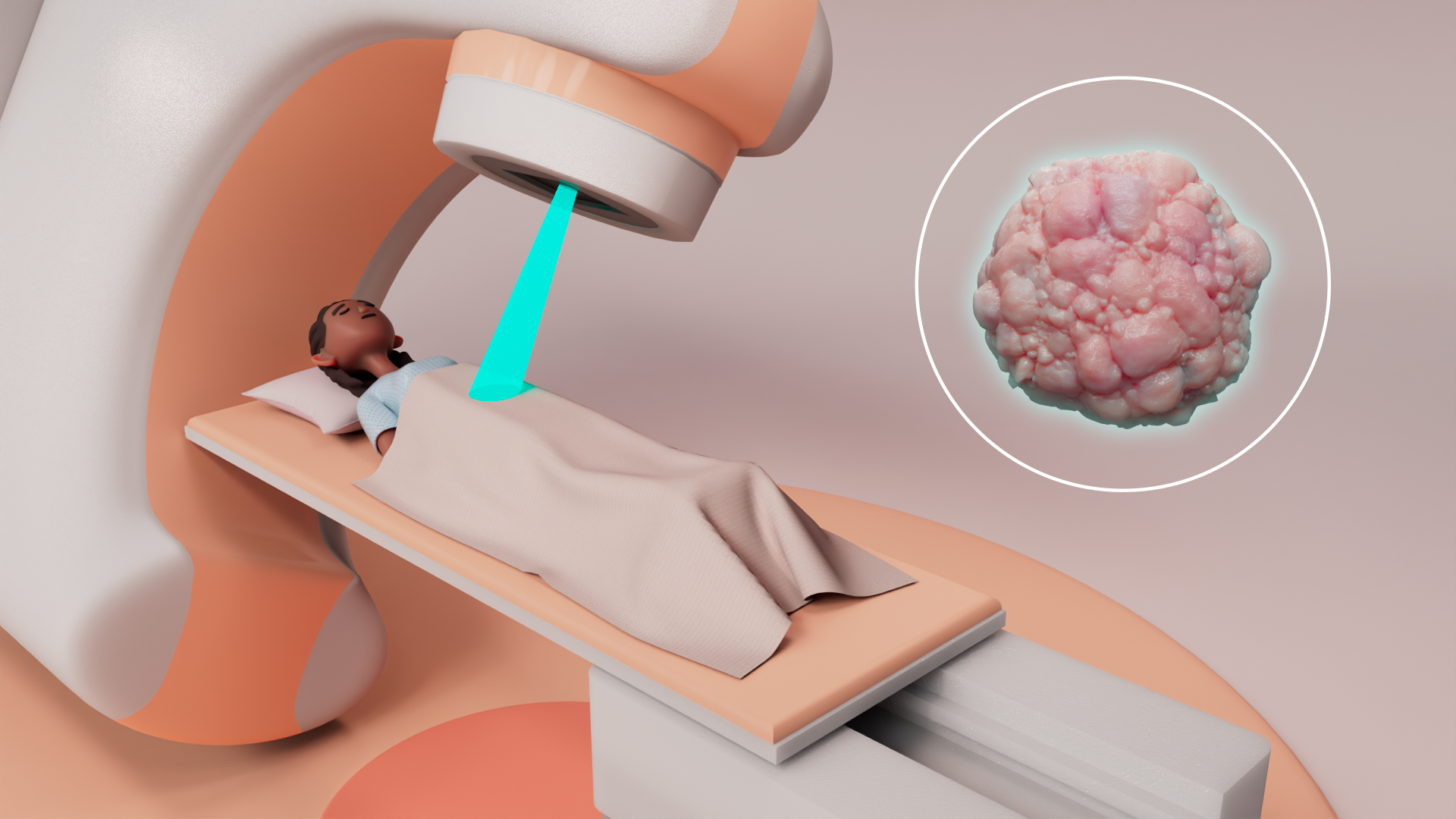
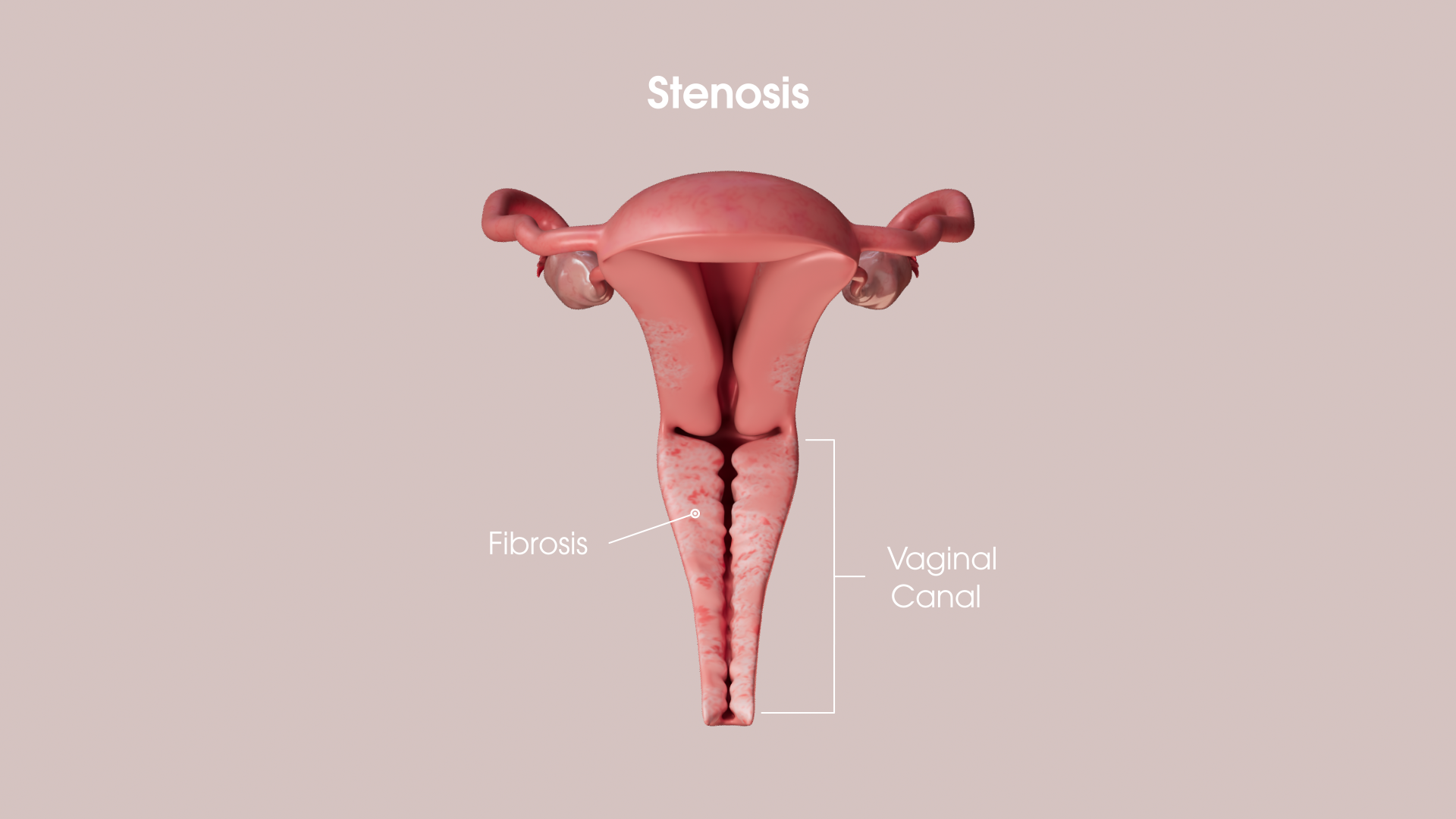
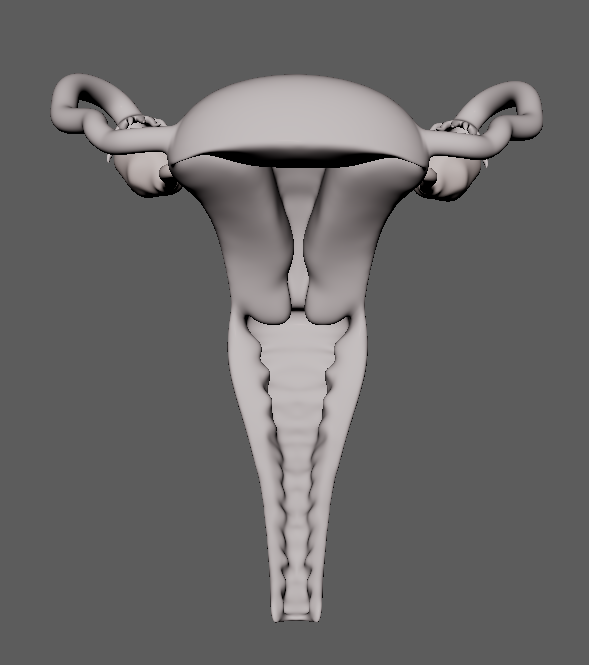
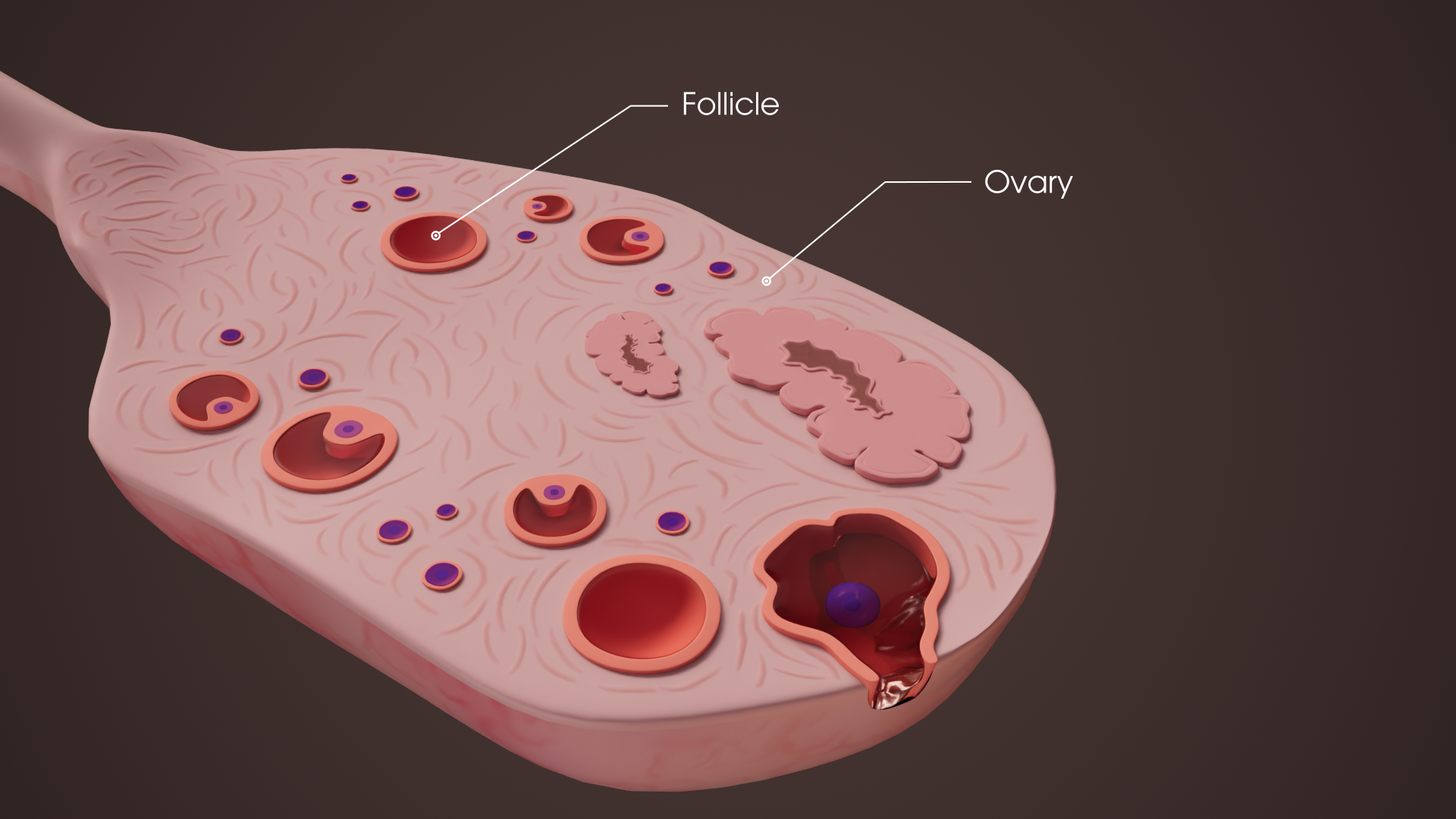
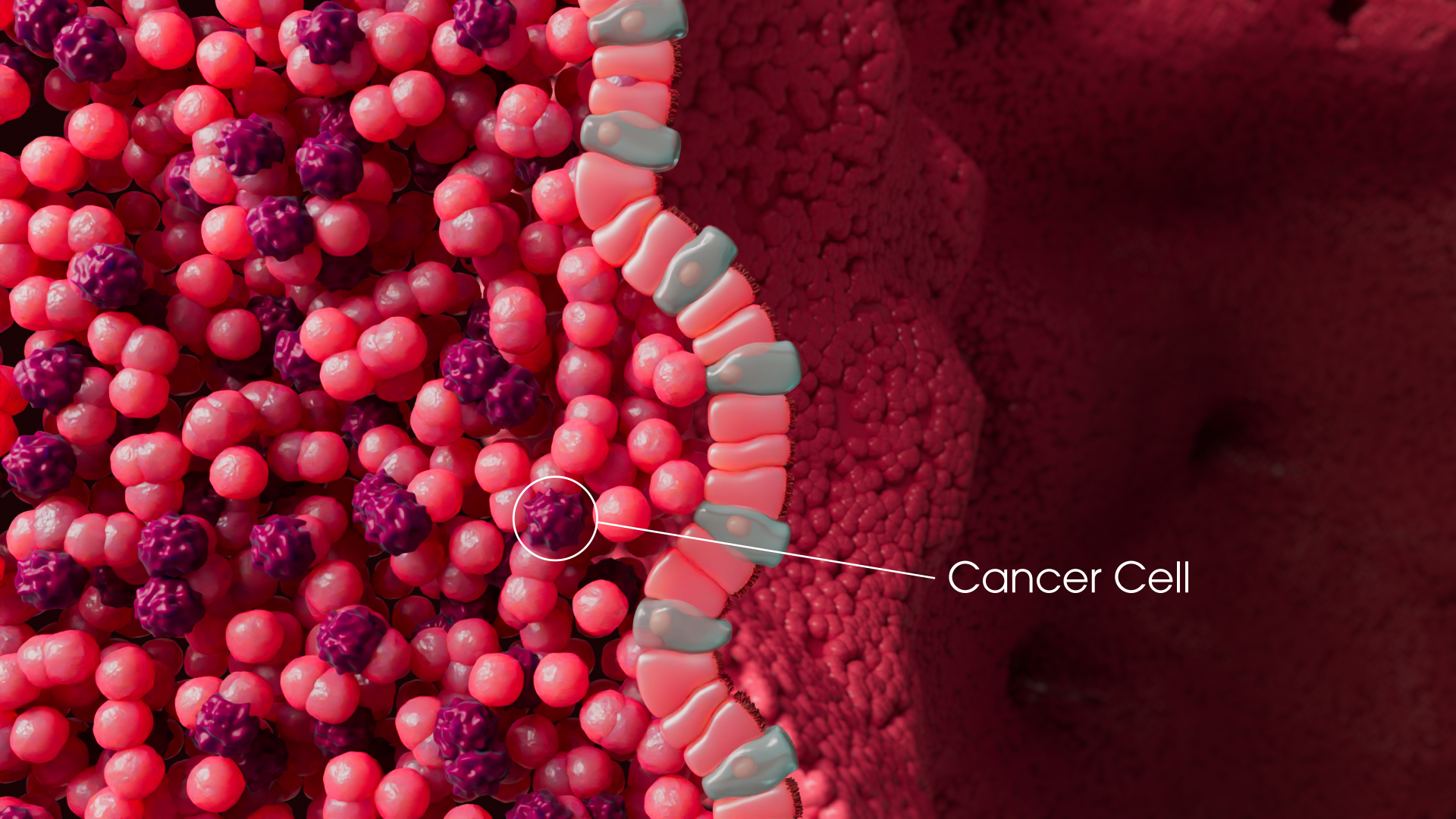
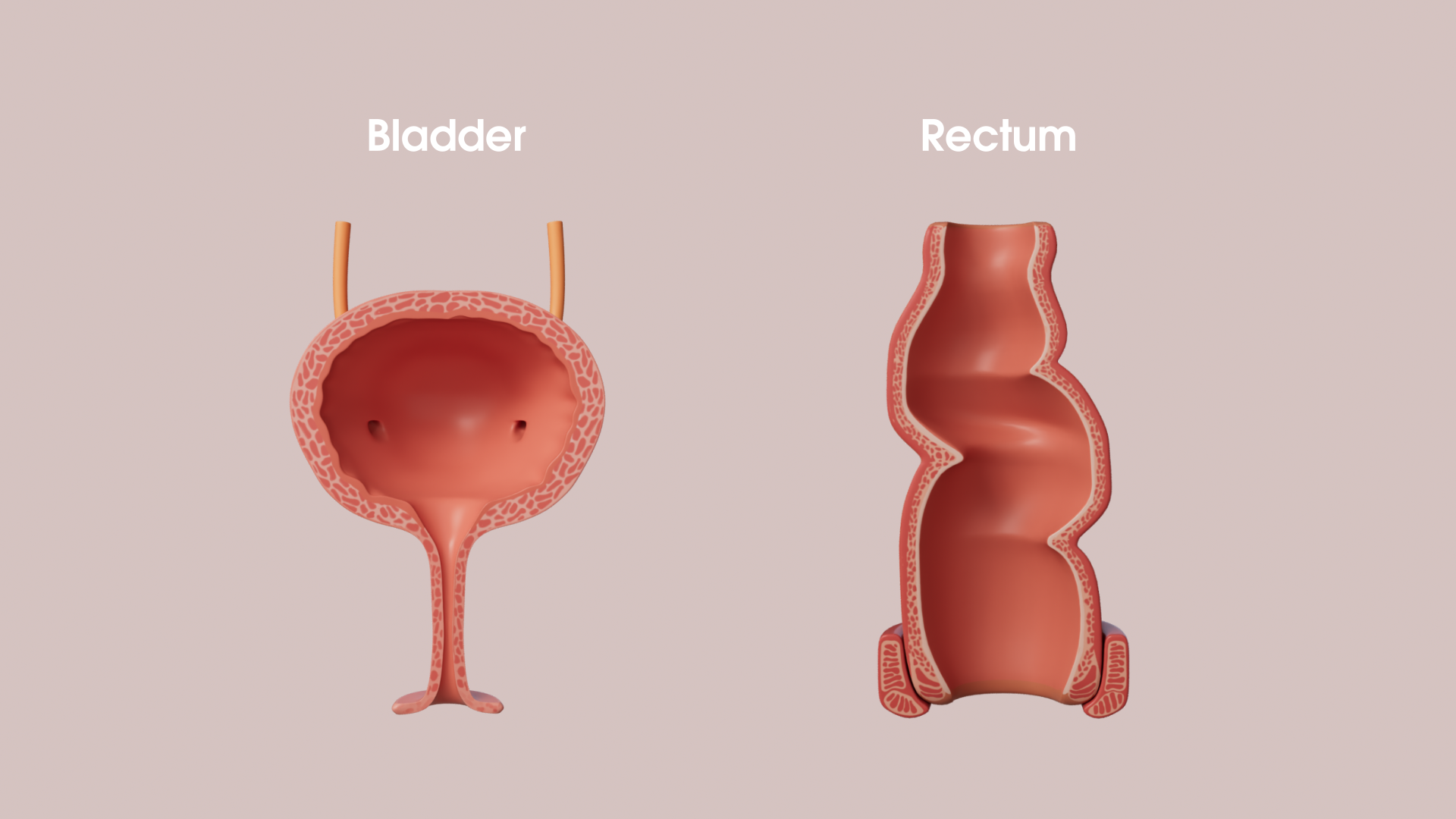
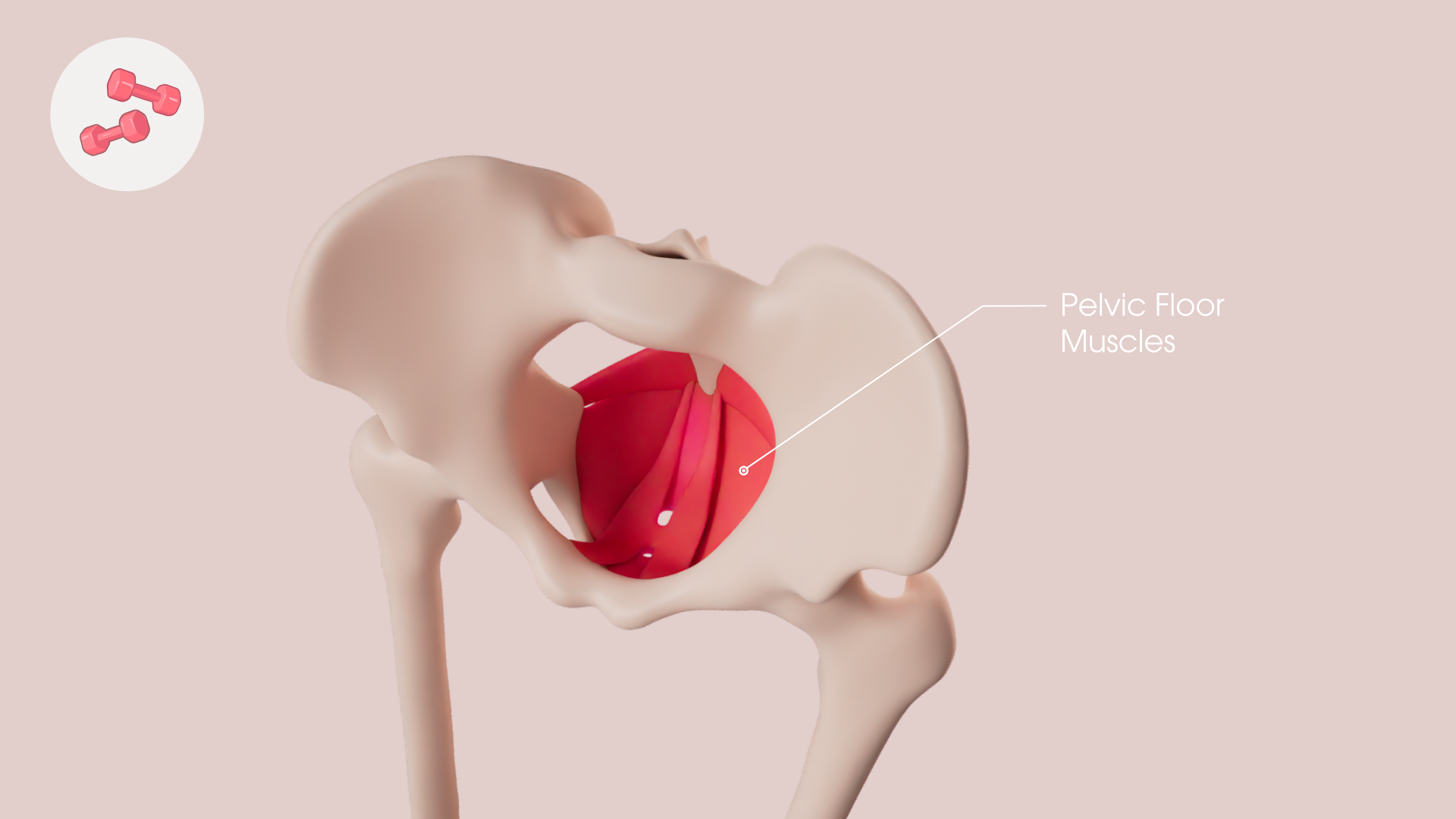
Up to 90% of gynecological cancer survivors experience debilitating, long-term sexual side effects after pelvic radiation treatment, yet patients routinely face an educational vacuum due to medical stigma and barriers. The visual challenge was communicating incredibly sensitive topics, including anatomical and cellular biology data, accurately without sounding overly sterile, hyper-sexualized, or clinical.
THE CHALLENGE
CLIENT
SHaRe Clinic at Princess Margaret Cancer Centre & Women’s College Hospital
DELIVERABLES
Hybrid 2D/3D Patient-Centered Educational Animation
TOOLS
Maya, ZBrush, After Effects, Illustrator, Premiere Pro, MAXQDA
TIMELINE
2025 (Research Ongoing)
RESEARCH
Patient Interviews
Semi-structured interviews with patients identified key communication gaps, educational needs, and design preferences that guided the animation.
1
Creation of Animation
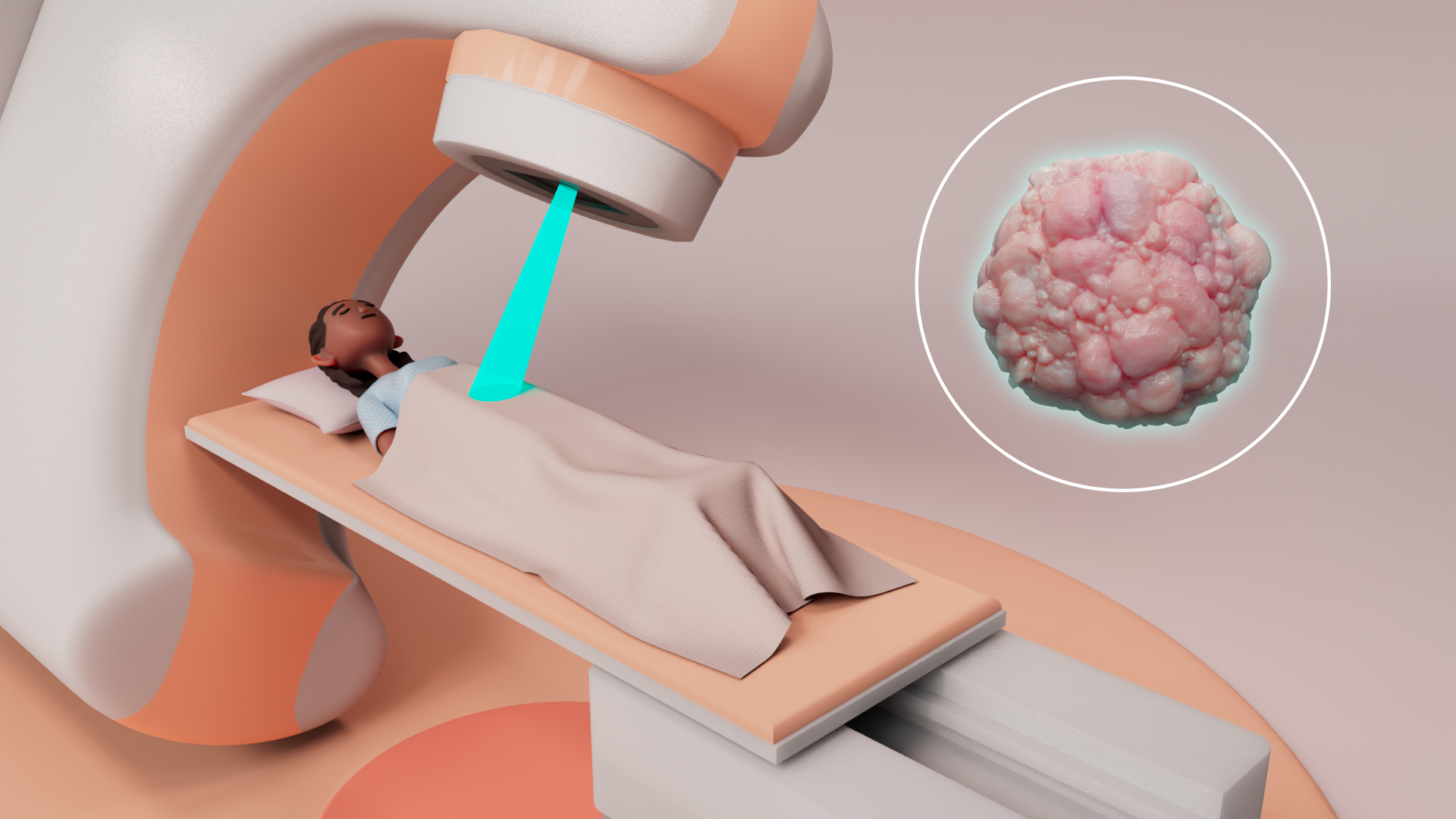
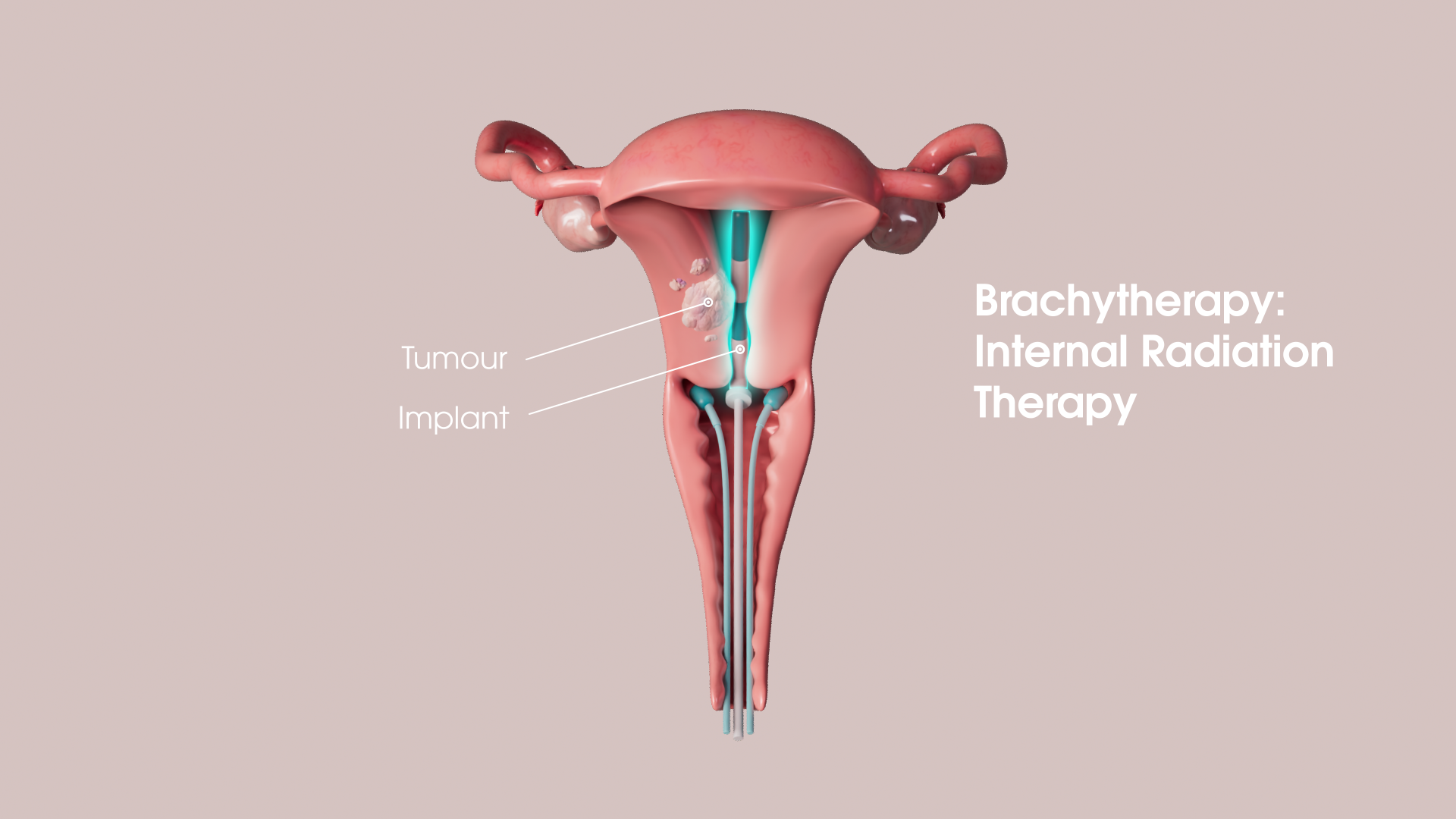
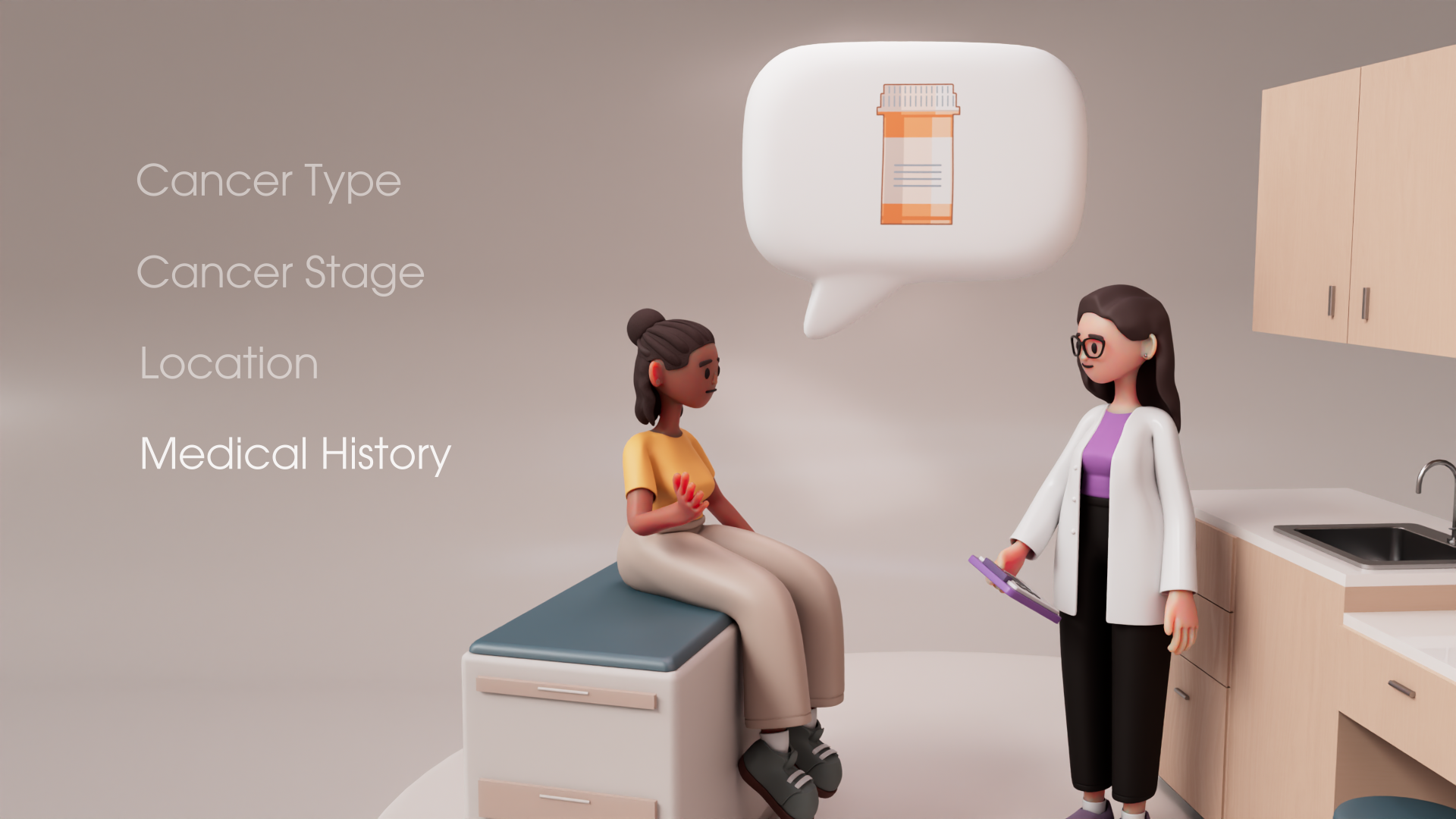
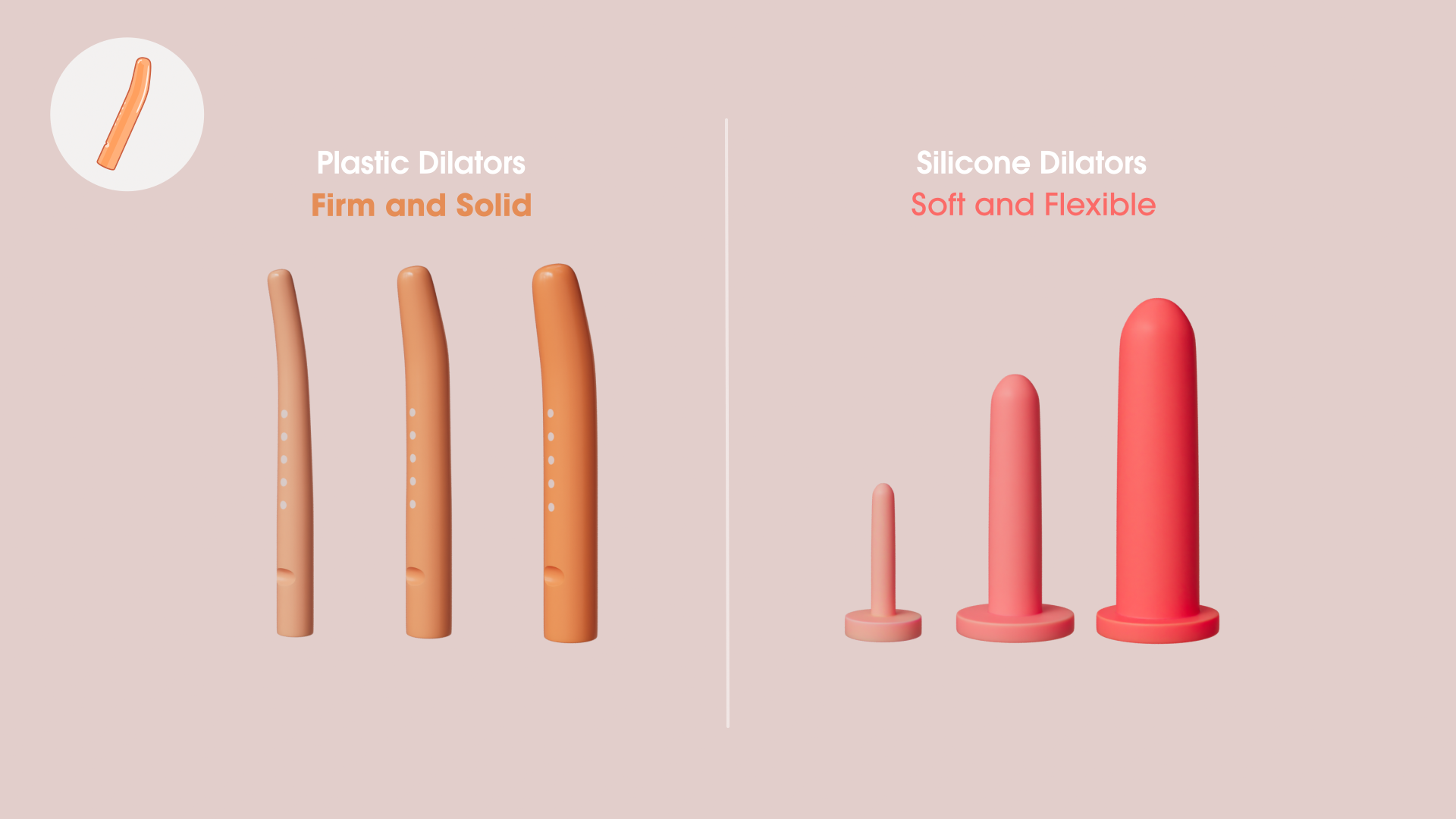
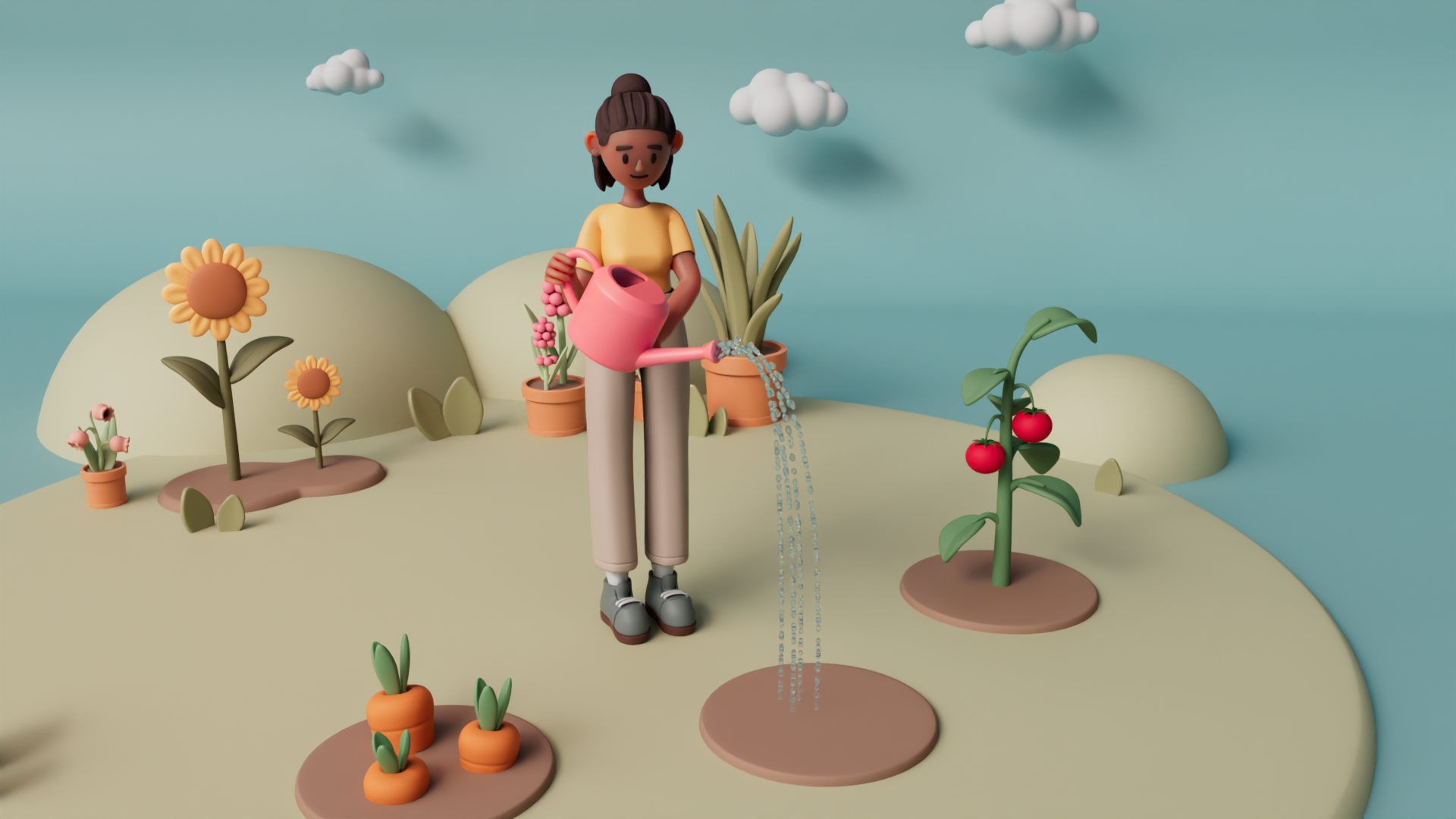
Insights from patients and clinicians informed an evidence-based hybrid 2D/3D animation designed to communicate sensitive health information with empathy and clarity.
2
Patient Surveys
Patients evaluated the completed animation, providing feedback on its clarity, usefulness, inclusivity, and overall learning experience.
3
Publication Pending
Research findings are currently being prepared for publication to share insights on patient-centered design and biomedical animation for cancer education.
4
DESIGNING FOR EMPATHY
Characters
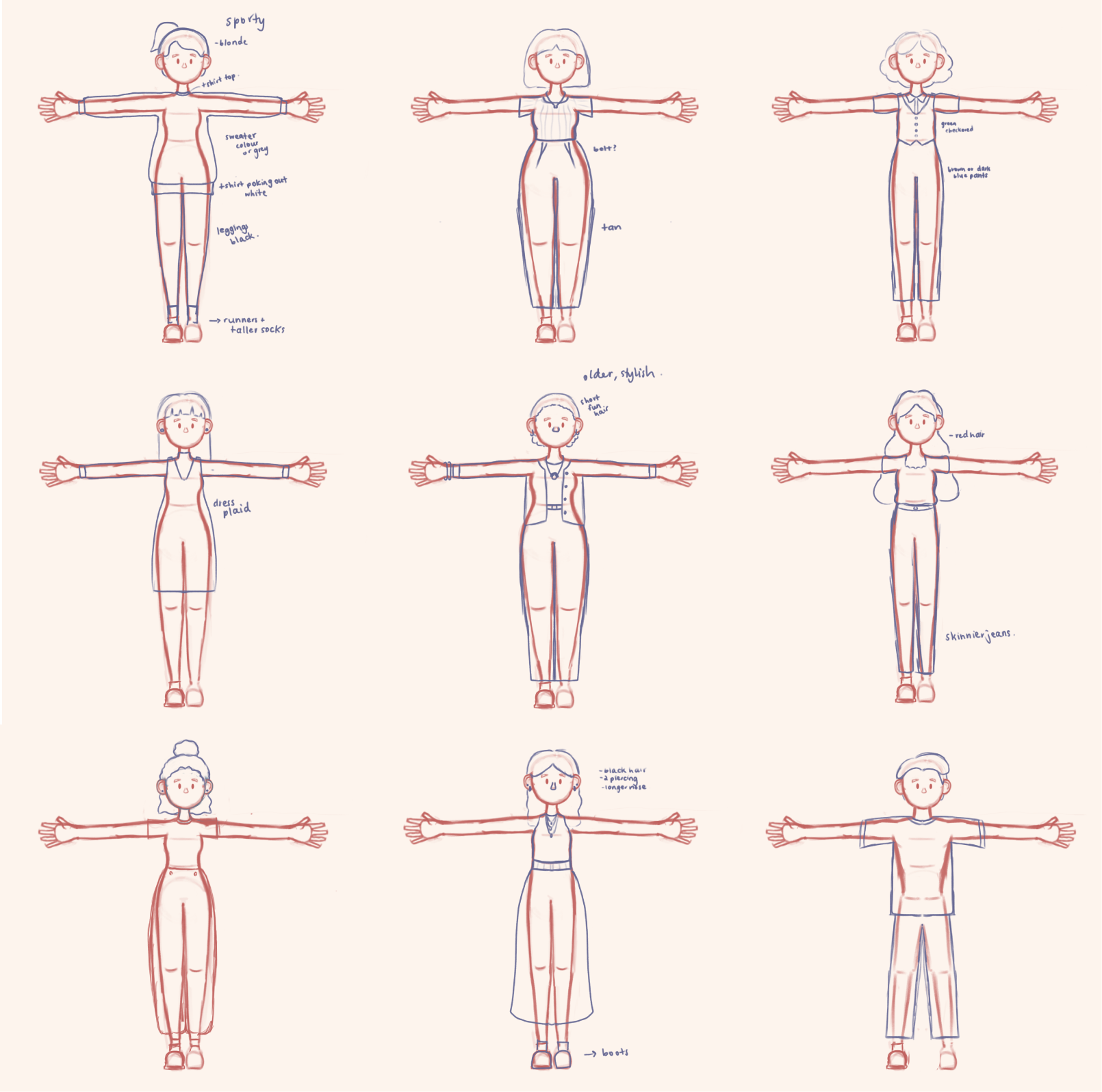
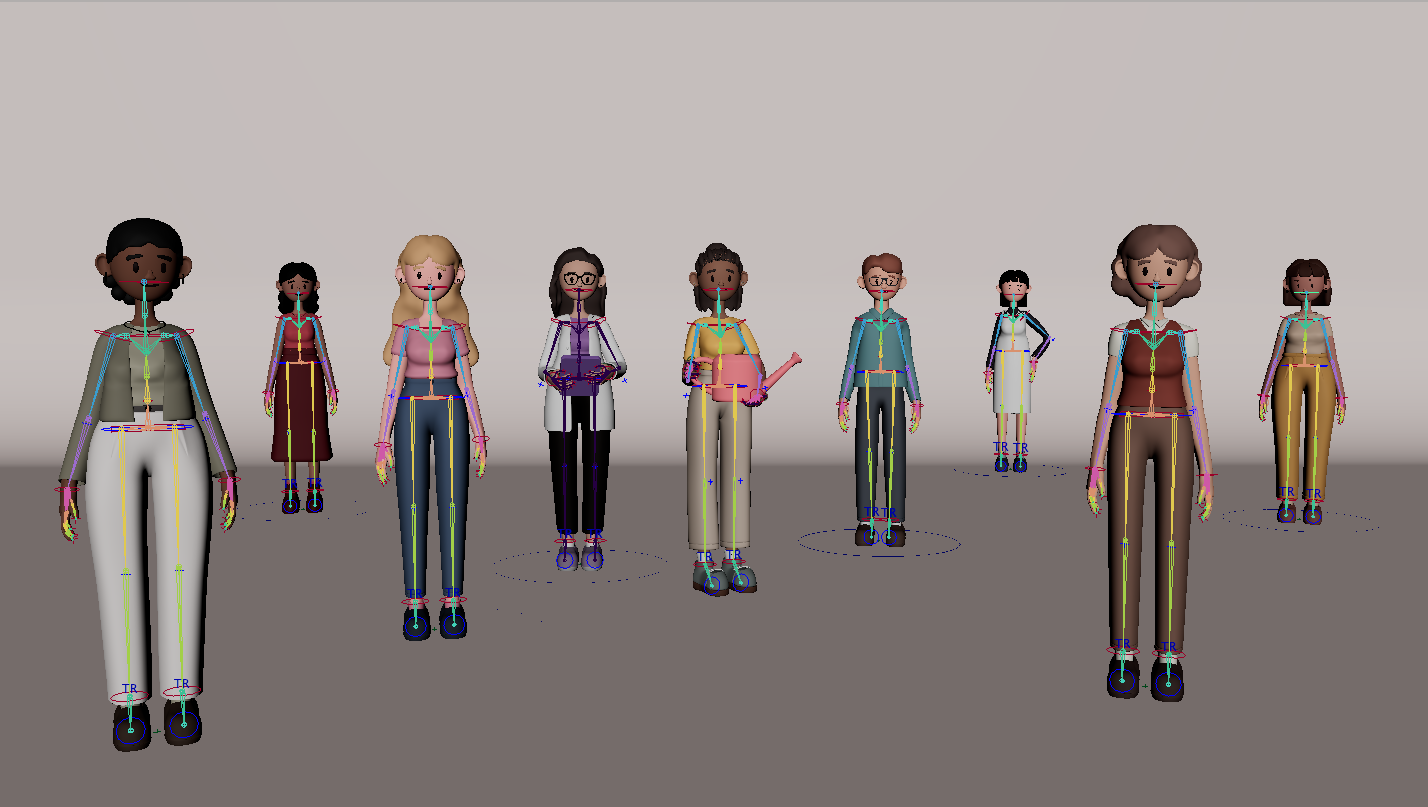
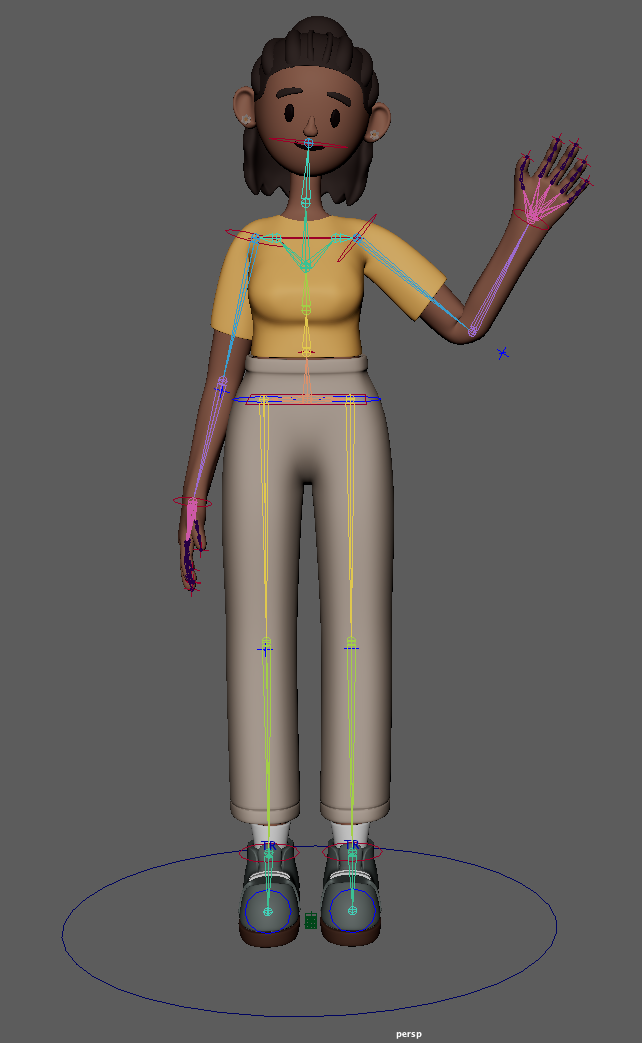
From sketches to fully rigged models in Maya, the characters highlight diversity in age, body type, skin tone, and sexual orientation. Group scenes reinforce that survivors are not alone and reflect the broad audience this resource serves.
Expressions
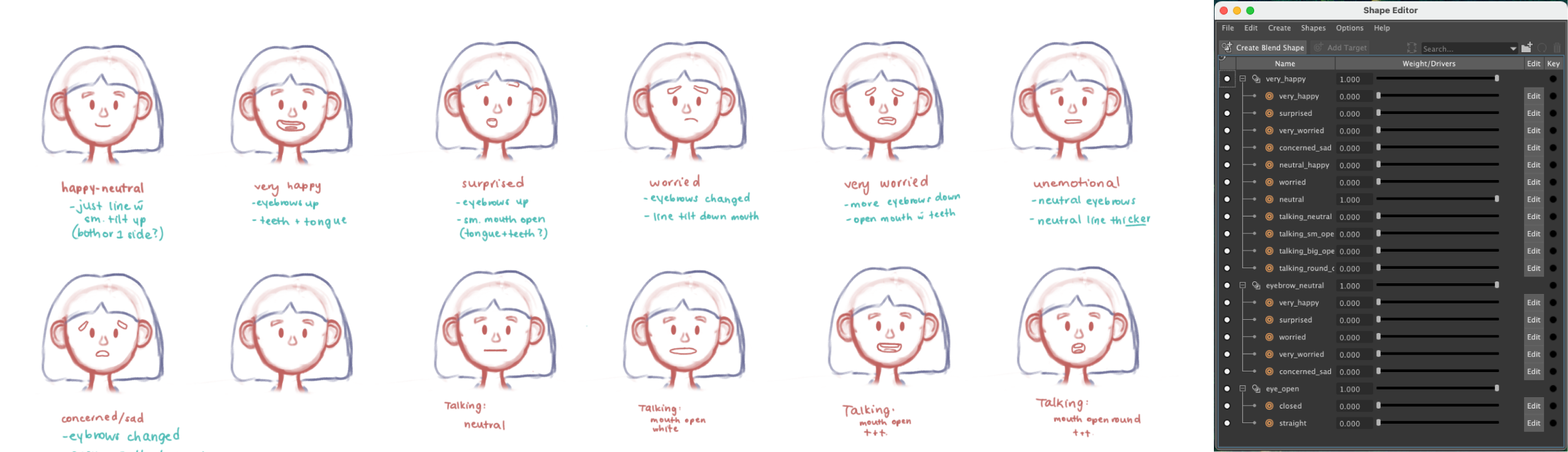
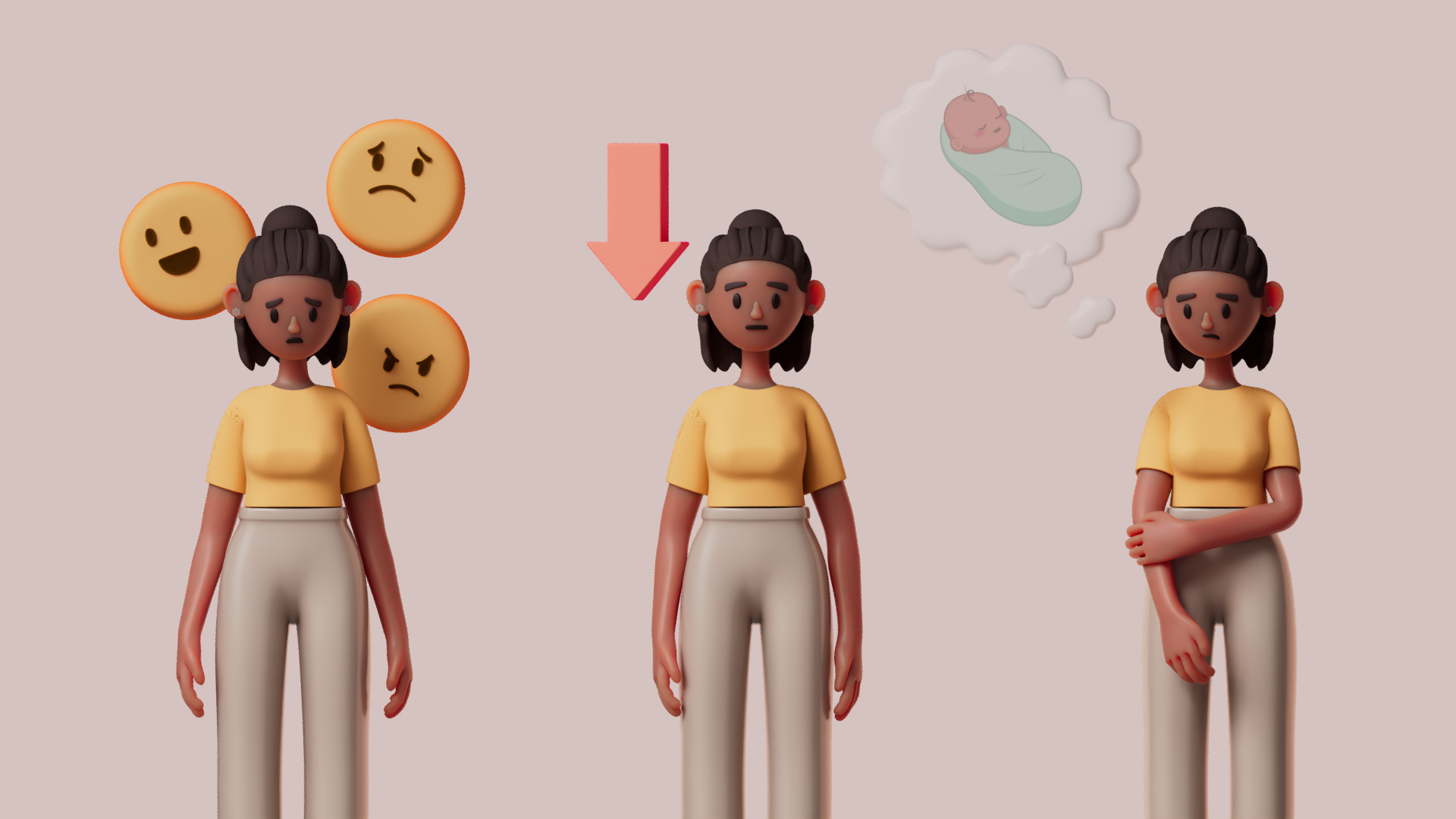
Research on patient education for sensitive topics shows that facial expressions improve empathy and understanding. I created mouth, eyebrow, and eye blend shapes to convey those expressions on screen.




Impact
This project transformed patient experiences and clinical evidence into an accessible educational resource designed to improve understanding of sexual health after pelvic radiation. By combining patient-informed research with empathetic visual storytelling, the animation supports more inclusive conversations around an often-overlooked aspect of cancer survivorship.
Future
Ongoing evaluation and publication of the accompanying research will help inform future patient education resources for cancer survivorship.
-
Albers, L. F., Palacios, L. A. G., Pelger, R. C. M., & Elzevier, H. W. (2020). Can the provision of sexual healthcare for oncology patients be improved? A literature review of educational interventions for healthcare professionals. Journal of Cancer Survivorship, 14(6), 858–866. https://doi.org/10.1007/S11764-020-00898-4/TABLES/3
Bober, S. L., & Sanchez Varela, V. (2012). Sexuality in adult cancer survivors: Challenges and intervention. Journal of Clinical Oncology, 30(30), 3712–3719. https://doi.org/10.1200/JCO.2012.41.7915/ASSET/2EB9A76D-31E1-4D56-B8F2-0F30054ADAED/ASSETS/IMAGES/ZLJ9991025850001.JPEG
Krouwel, E. M., Albers, L. F., Nicolai, M. P. J., Putter, H., Osanto, S., Pelger, R. C. M., & Elzevier, H. W. (2019). Discussing Sexual Health in the Medical Oncologist’s Practice: Exploring Current Practice and Challenges. Journal of Cancer Education, 35(6), 1072. https://doi.org/10.1007/S13187-019-01559-6
Del Pup, L., Villa, P., Amar, I. D., Bottoni, C., & Scambia, G. (2019). Approach to sexual dysfunction in women with cancer. International Journal of Gynecologic Cancer, 29(3), 630–634. https://doi.org/10.1136/IJGC-2018-000096
Hay, C. M., Donovan, H. S., Hartnett, E. G., Carter, J., Roberge, M. C., Campbell, G. B., Zuchelkowski, B. E., & Taylor, S. E. (2018). Sexual Health as Part of Gynecologic Cancer Care: What Do Patients Want? International Journal of Gynecological Cancer : Official Journal of the International Gynecological Cancer Society, 28(9), 1737. https://doi.org/10.1097/IGC.0000000000001376
Huffman, L. B., Hartenbach, E. M., Carter, J., Rash, J. K., & Kushner, D. M. (2015). Maintaining Sexual Health throughout Gynecologic Cancer Survivorship: A Comprehensive Review and Clinical Guide. Gynecologic Oncology, 140(2), 359. https://doi.org/10.1016/J.YGYNO.2015.11.010
Oveisi, N., Khan, Z., & Brotto, L. A. (2023). A qualitative study of sexual health and function of females with pelvic cancer. Sexual Medicine, 11(2). https://doi.org/10.1093/SEXMED/QFAC002
Matthew, A., Guirguis, S., Incze, T., Stragapede, E., Peltz, S., Yang, G., Jamnicky, L., & Elterman, D. (2023). The Anatomy of a Hybrid In-Person and Virtual Sexual Health Clinic in Oncology. Current Oncology 2023, Vol. 30, Pages 2417-2428, 30(2), 2417–2428. https://doi.org/10.3390/CURRONCOL30020184
Feeley, T. H., Keller, M., & Kayler, L. (2022). Using Animated Videos to Increase Patient Knowledge: A Meta-Analytic Review. Https://Doi.Org/10.1177/10901981221116791, 50(2), 240–249. https://doi.org/10.1177/10901981221116791
Norscini, M., & Daniela, L. (2024). Metaphors in Educational Videos. Education Sciences 2024, Vol. 14, Page 177, 14(2), 177. https://doi.org/10.3390/EDUCSCI14020177
Parmar, D., Olafsson, S., Utami, D., Murali, P., & Bickmore, T. (2022). Designing empathic virtual agents: manipulating animation, voice, rendering, and empathy to create persuasive agents. Autonomous Agents and Multi-Agent Systems, 36(1). https://doi.org/10.1007/S10458-021-09539-1
Cho, A., Park, S., Lee, H., & Whang, M. (2023). The physiological measurement and evaluation of empathy of video content. Scientific Reports 2023 13:1, 13(1), 1–14. https://doi.org/10.1038/s41598-023-47288-1
Queen’s Printer for Ontario. (2012). Quality Improvement Guide. Toronto, Ontario.
Ku, B., & Lupton, E. (2020). Health Design Thinking: Creating products and services for better health. In MIT Press Paper Knowledge . Toward a Media History of Documents. The MIT Press.
